This models the equipment currently in the city's replacement inventory. Each machine's lifespan and price are open for you to change. The yearly cost of each way of paying recomputes as you go. Click a machine's name for its photos and records. It is a scenario tool, not a forecast or an adopted city plan.
Fleet Funder
Compare ways Nowthen could pay for future equipment replacement.
How to use it
- Pick a way of paying. Each one pays for the same machines. Ideal pre-funding is a benchmark to measure the others against.
- Change any machine’s lifespan or replacement price if you think the city’s numbers are wrong.
- Read the total under the list. It is the amount your choice needs from the city budget.
Bars sit on real years. Each machine is saved for from the 2027 budget until its replacement year, and anything overdue is paid in full in 2027.
- Heavy equipment
- Fire and rescue
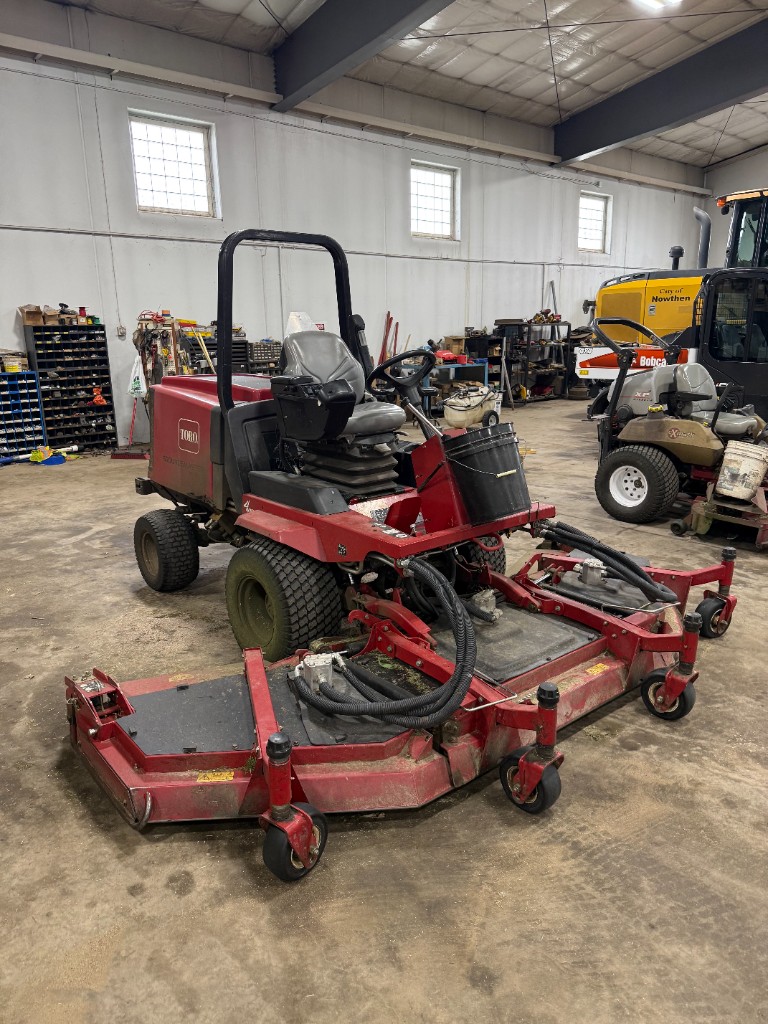
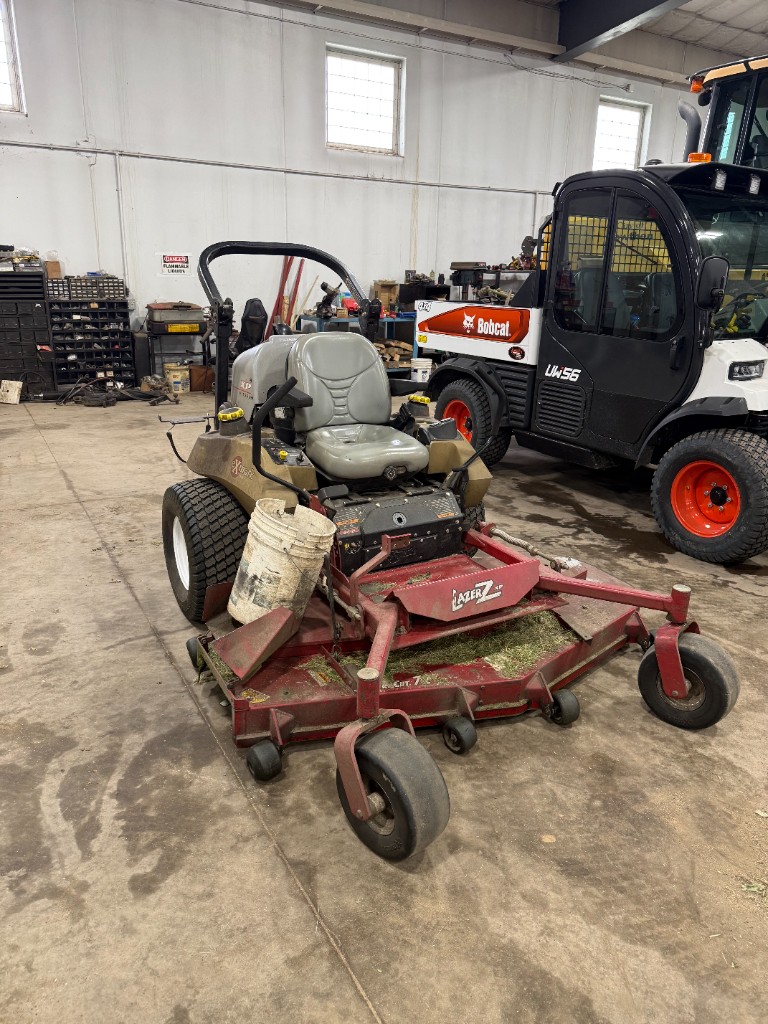
- Mowing and grounds
- City hall
- Years left to save
- Years already used with nothing saved
- Replacement year
- Already past due
- $/yrYearly savings for that machine
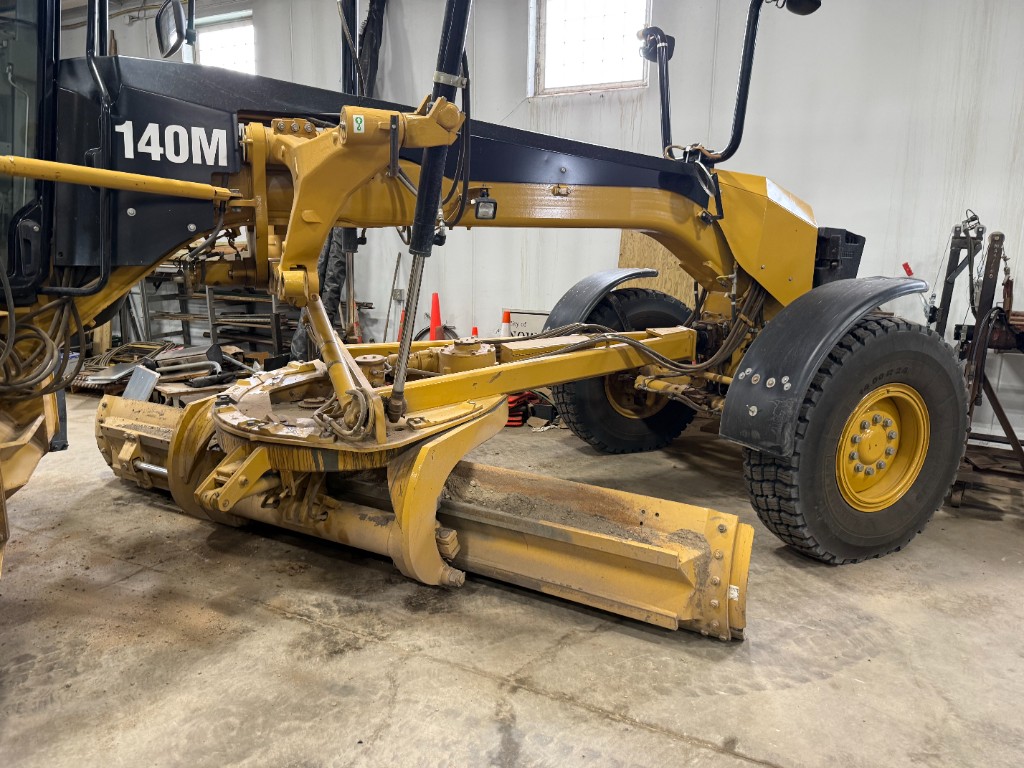
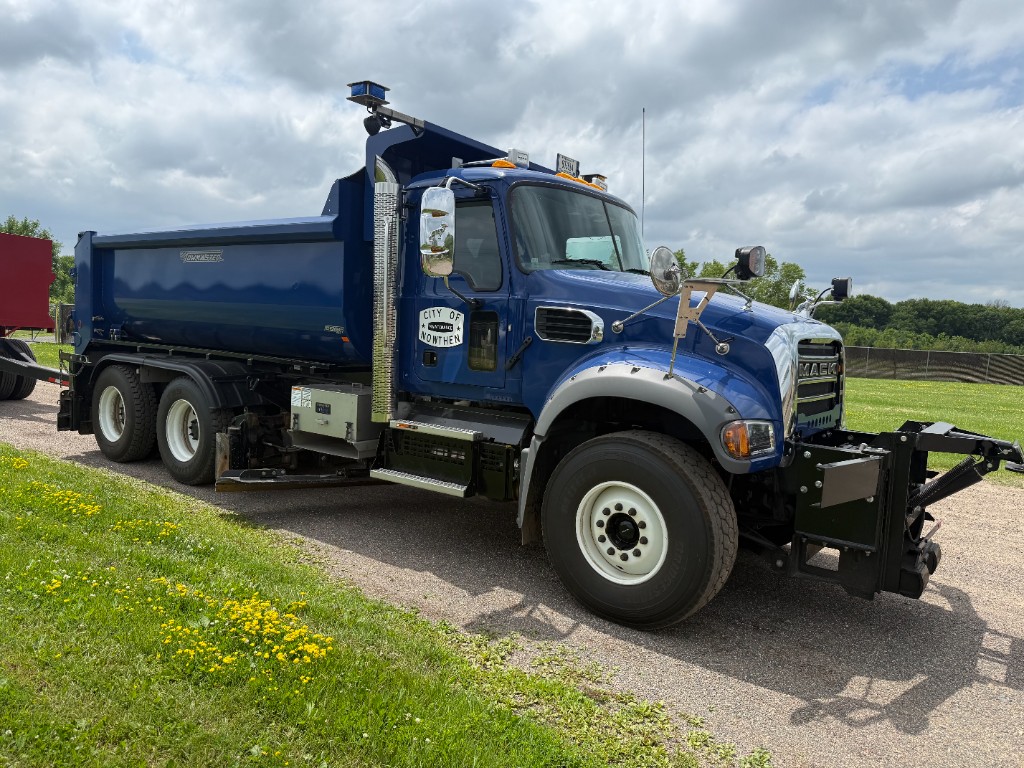
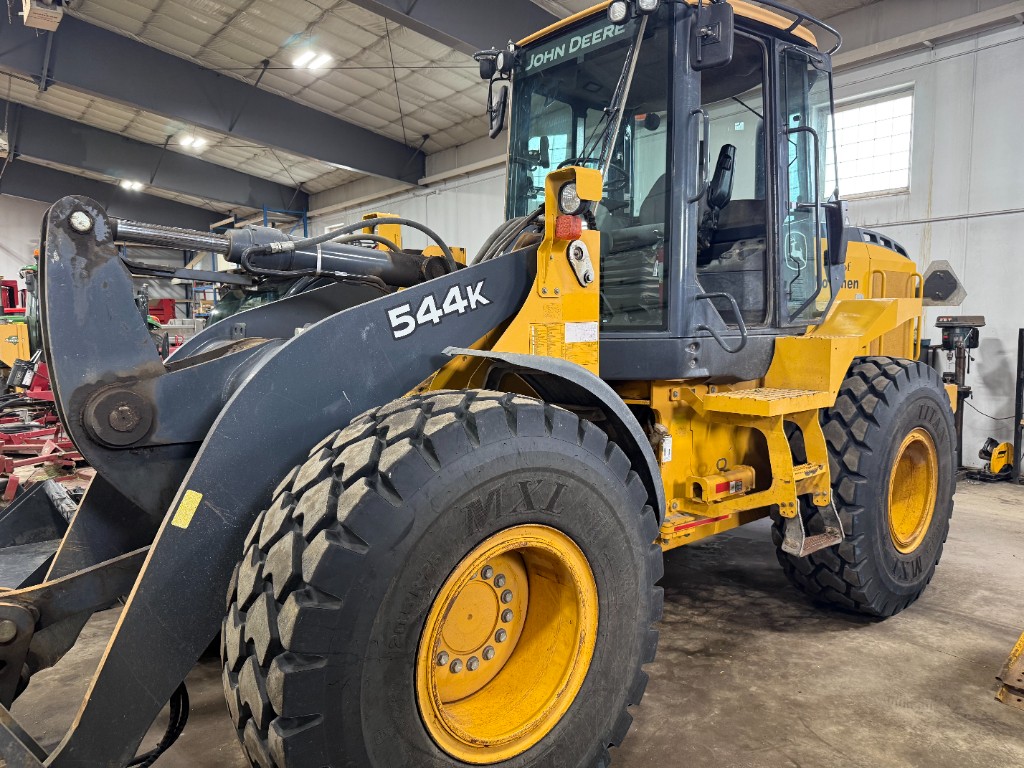
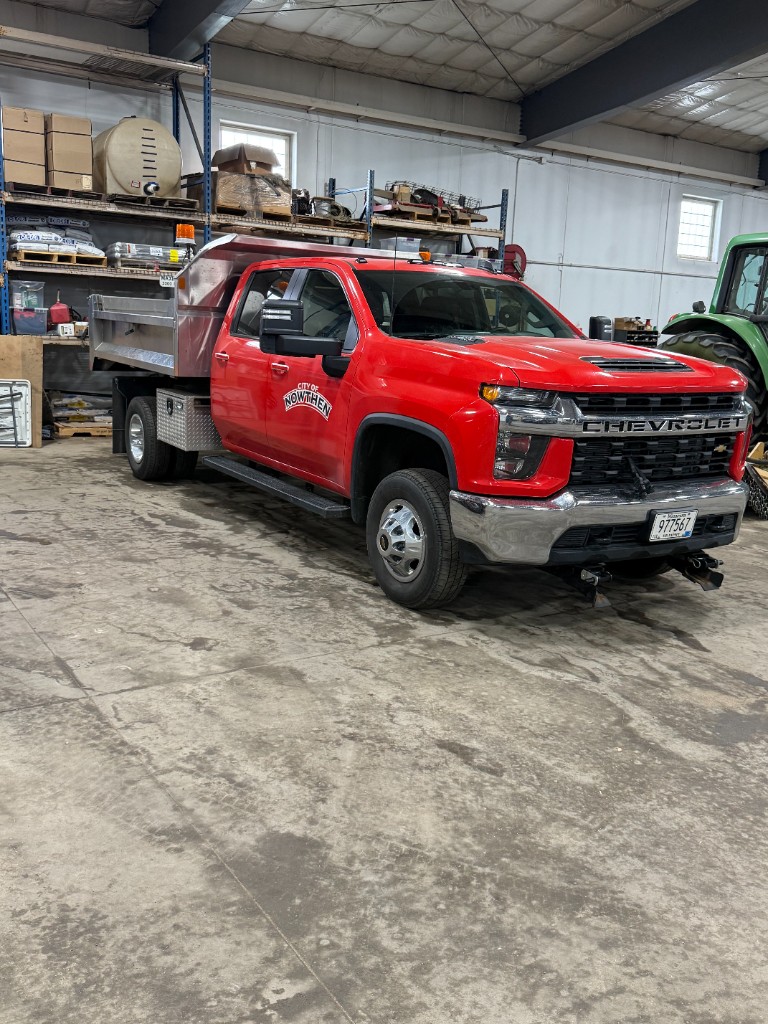
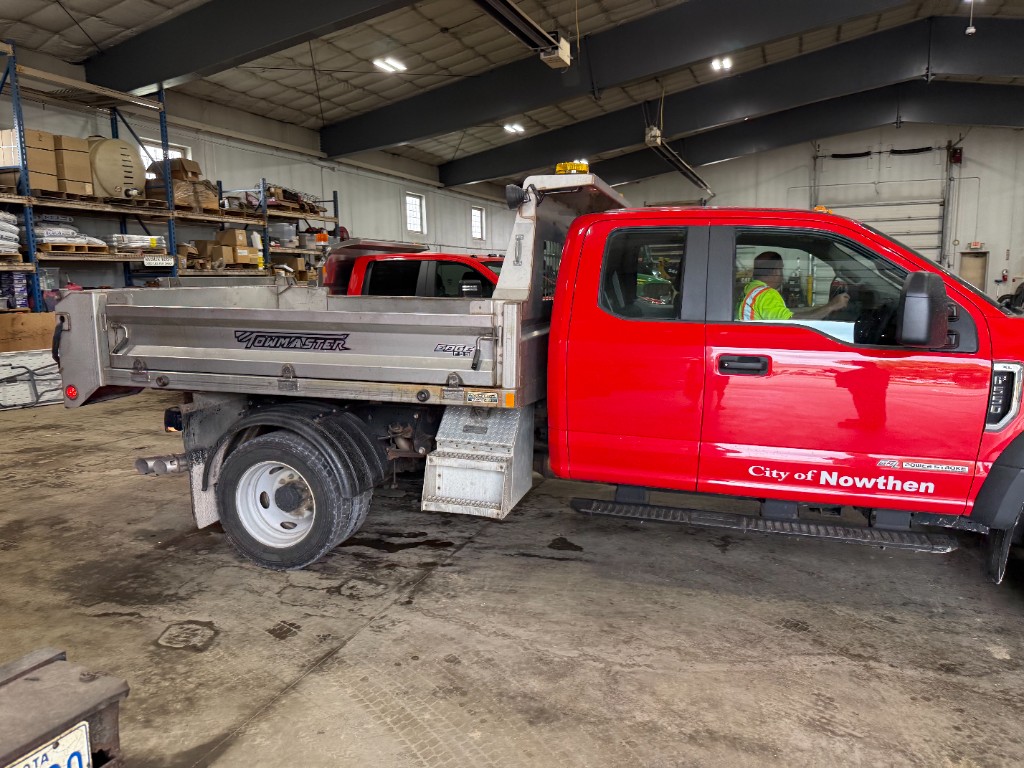
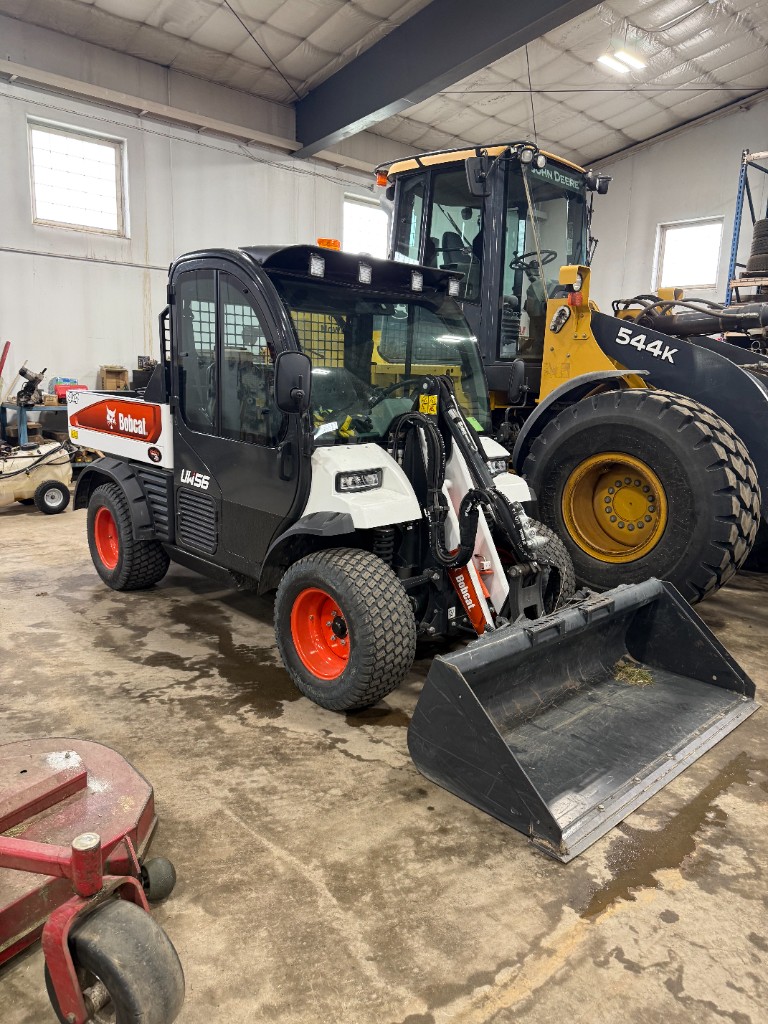
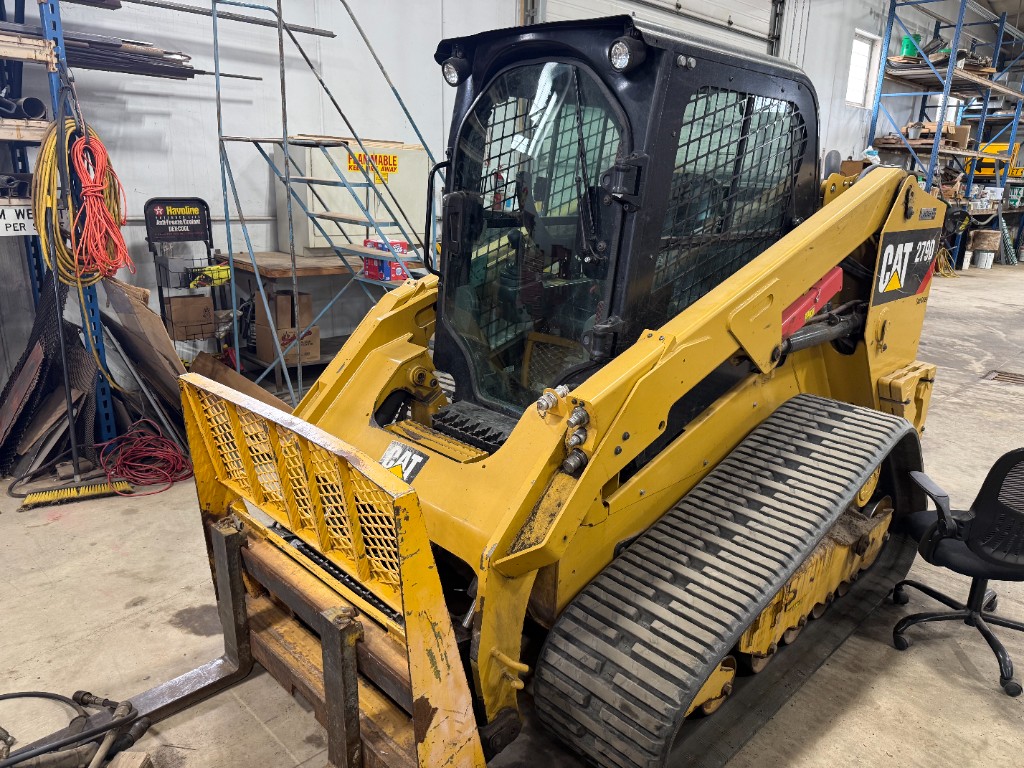
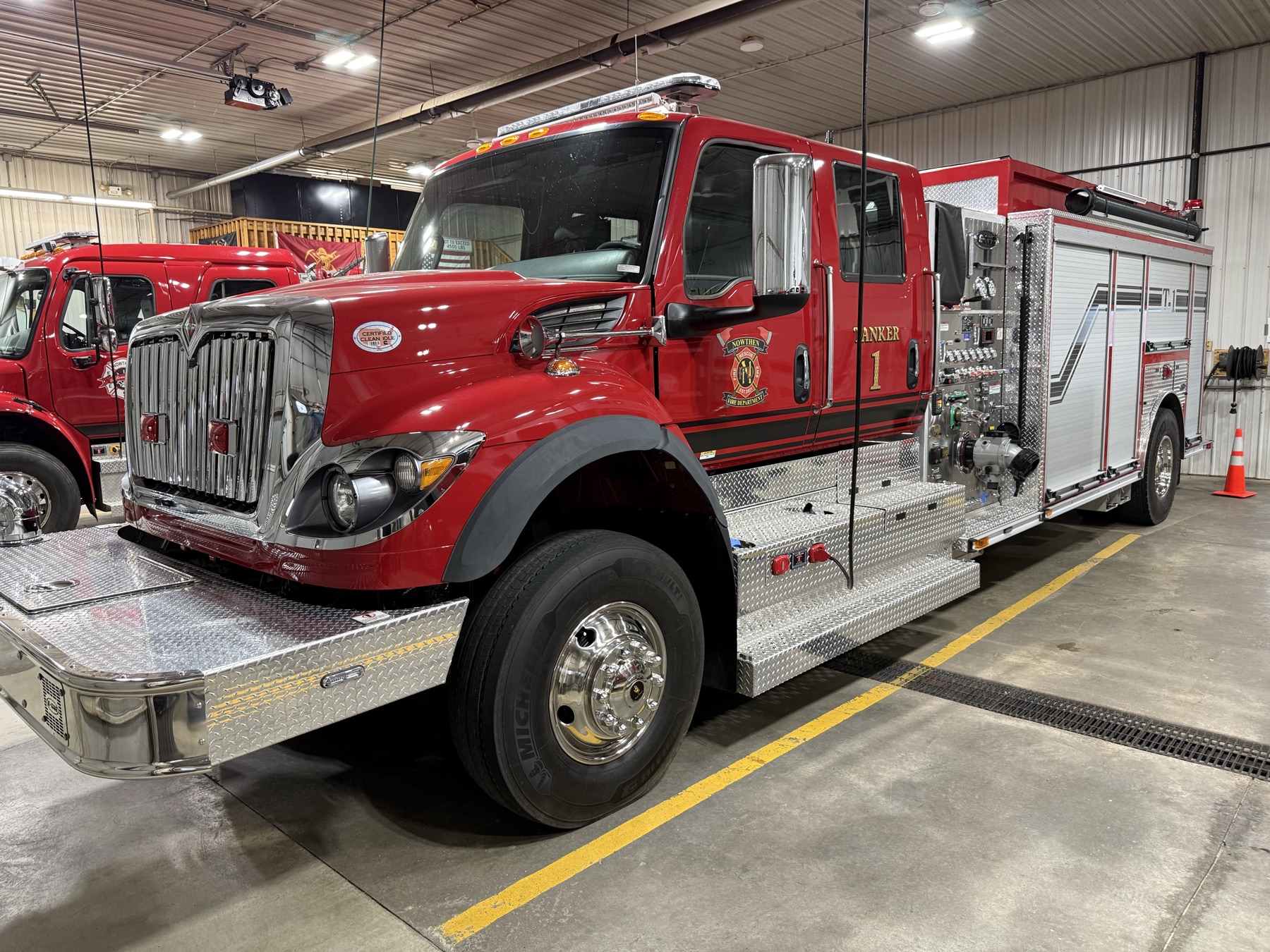
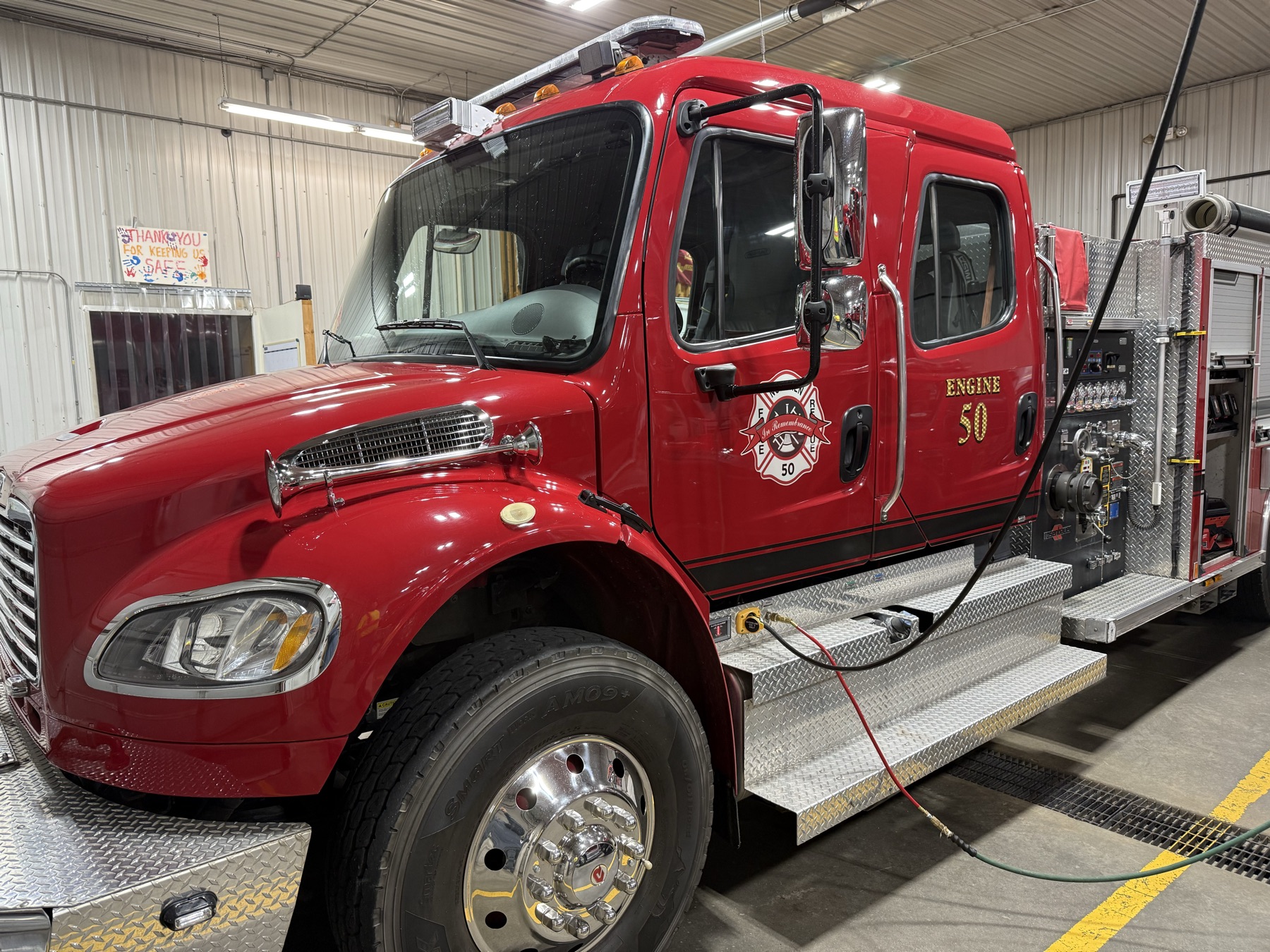
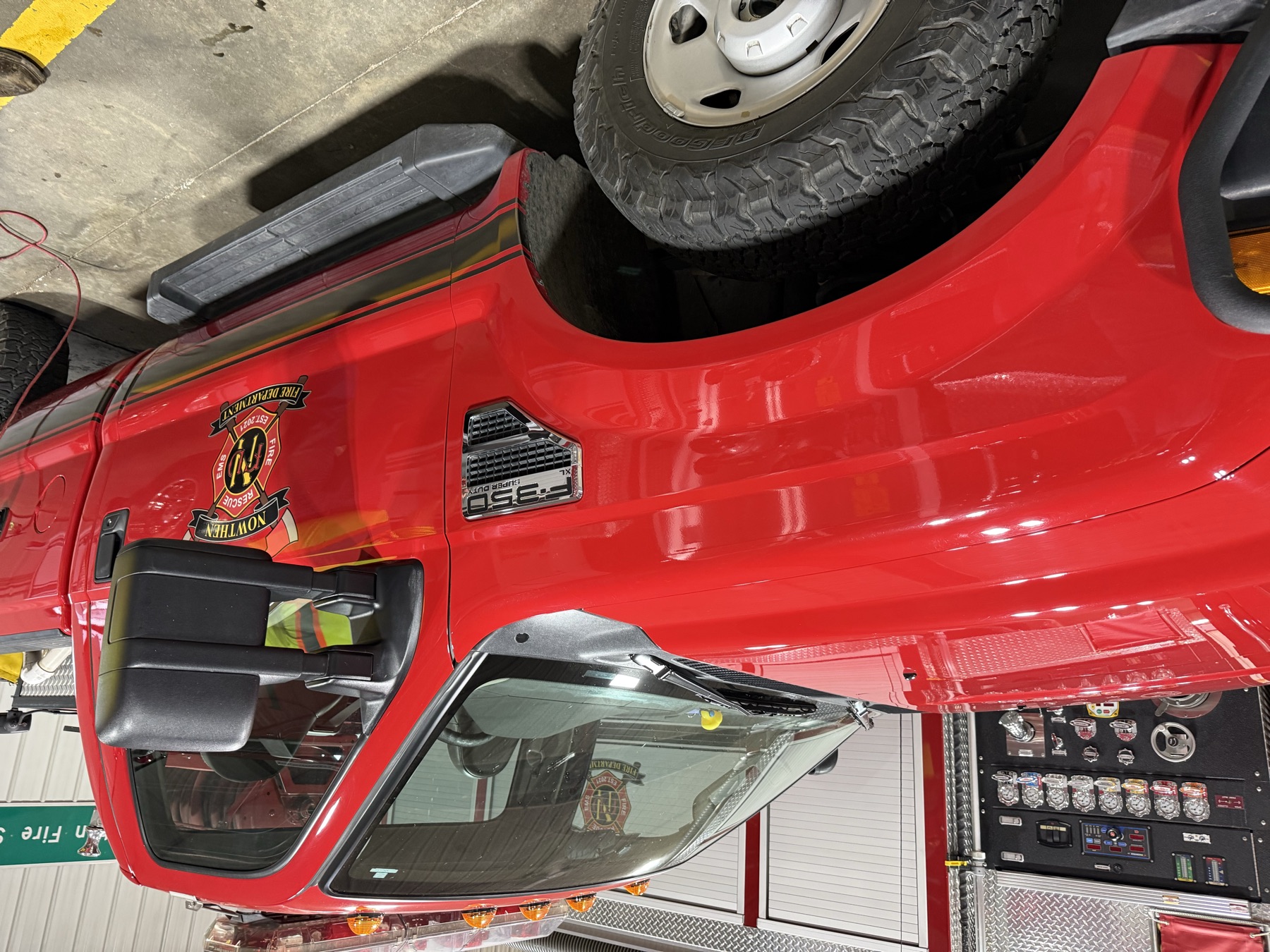
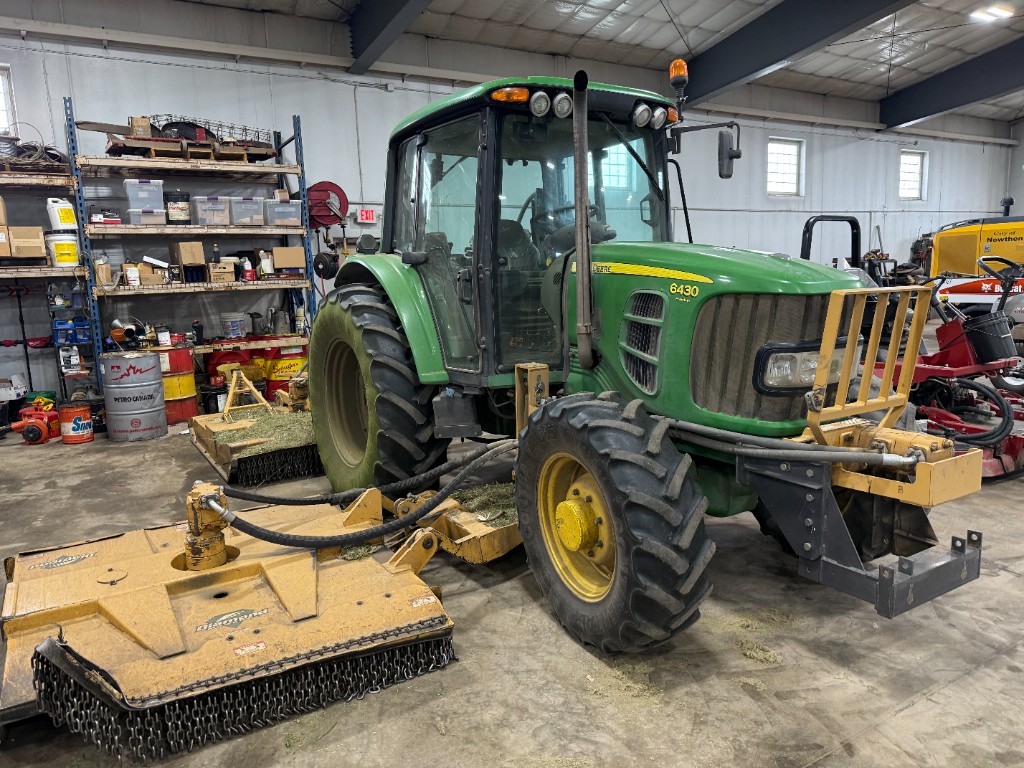
Not a budget recommendation. This leaves out the equipment fund's current balance, debt the city already carries, bond issuance costs, and bonds already planned for 2027.
For scale, raising $482,941 from the city levy would cost the average Nowthen home about $251 that year at 2026 tax rates.
What each budget year would set aside, cash from now on
Each bar is one budget year, 2027 to 2046. Tap a bar to read its numbers.
In 2027 this plan carries $482,941. The other plan, mixed cash and bonds, cash from 2032, carries $242,886.
Nominal city contributions over the modeled equipment cycles
The replacement prices above add up to $6,496,517. These totals cover one full cycle of every machine at 4% interest.
- Save in advance
- $4,003,619
- Level deposits over each machine's life. The fund's 4% interest earns the other $2,492,898.
- Borrow at purchase
- $8,008,773
- Bonds of up to 10 years, including $1,512,256 of interest paid to bondholders.
These are undiscounted dollars paid at different times. The comparison shows cash-flow timing and interest flows, not a present-value savings. Pre-funding requires taxpayers to contribute money earlier, and borrowing defers those contributions and adds debt-service interest.
How the math works
Where the starting numbers come from
Rows marked City plan use the replacement years and prices in the city's adopted 2027–2031 equipment plan. Rows marked Dan's estimate cover machines that plan does not reach. They use today's price for a comparable machine, raised 3% a year. Select Dan's estimate under a price to see the comparable, its source, and the years of escalation behind it. The finance software is left out because it is an office system, not fleet equipment.
How yearly savings are figured
Each machine gets the standard sinking-fund deposit. The city puts the same amount into the equipment fund at the end of every year, the fund earns interest, and deposits plus interest equal the replacement price in the year it is due. The 2026 budget is already adopted, so in every plan except the ideal pre-funding benchmark the first new deposit comes in the 2027 budget, and a machine already past due is paid in full that year.
How bonds are figured
A bonded machine is paid off in equal yearly payments over the 10 years after purchase, or over its lifespan if that is shorter, since a city does not keep paying for equipment it has already retired. At the default 4%, a bond costs about 23 cents of interest per dollar borrowed. That matches the city consultant's recorded estimate of $86,400 in interest on a $360,000 truck.
Why one interest rate
The interest dial sets a single rate for both sides. It is what the fund earns and also what a bond costs, which is the 4% assumption the consultant used on the record. The totals for saving in advance and borrowing at purchase are in dollars as spent, not discounted to today. Their gap shows who collects the interest, the city's fund or the bondholder, and not a savings in today's money. Saving means taxpayers put the money in years before the purchase.
How present value is figured
The present value option discounts each year's payment to 2026 dollars at the discount rate you set, which starts equal to the interest rate. Saving in advance counts each machine's level deposits in the years of its life ending in its replacement year. Borrowing counts the level bond payments in the years after that purchase. Deposits from before 2026 are carried forward at the same rate. At a discount rate equal to the interest rate the two come out the same, because the fund earns exactly what the bond charges. A higher discount rate favors borrowing, and a lower one favors saving.
What each plan assumes
Cash from now on ends borrowing with the 2027 budget and saves for every machine over the years it has left. Mixed cash and bonds bonds the machines due before the year you pick and pays cash for the rest. Bond each purchase borrows for every machine when it comes due. Its total averages each machine's payments over its life and names the busiest year, since overlapping bonds stack. Ideal pre-funding is a benchmark, not a choice the city still has. It spreads each machine's price across its whole life, what the annual contribution would have been had the city saved from the day each machine entered service. In the cash and mixed plans, each machine is saved for at that steady benchmark rate once it has been replaced.
What this leaves out
The model works machine by machine. It does not credit the money already in the equipment fund, does not include debt the city already carries, does not count bond issuance fees, and does not know that some near-term purchases are already slated for the planned 2027 bonds. It is a display tool on an independent records site, not the city's accounting system or a proposed tax increase.